Wang Xingang (painter)
Introduction
Wang Xingang is a prominent Chinese painter renowned for his exceptional skills in landscape painting. As a resident artist at the China National Academy of Painting, Wang has dedicated several decades to mastering and refining his craft, particularly within the realm of Chinese landscape art. His works have been celebrated for their vivid representation and intricate compositions, resonating with the traditions of historic Chinese art.
Early Life
Born with an innate talent for art, Wang Xingang began exploring his artistic abilities at a young age. His early life was marked by numerous achievements in art competitions and exhibitions, establishing his potential in the Chinese art scene. Inspired by the classic masters of Chinese ink art, Wang developed a profound appreciation for the artistic luminaries of centuries past. This influence laid a strong foundation for his artistic journey, motivating him to pursue a career in landscape painting, despite the challenges faced by emerging artists in the field.
Artistic Career
Wang Xingang's artistic career is a testament to his dedication and passion for Chinese landscape painting. Over the years, he has established himself as a leading figure in the art community, with a body of work that celebrates the rich heritage of Chinese ink painting.
Major Works
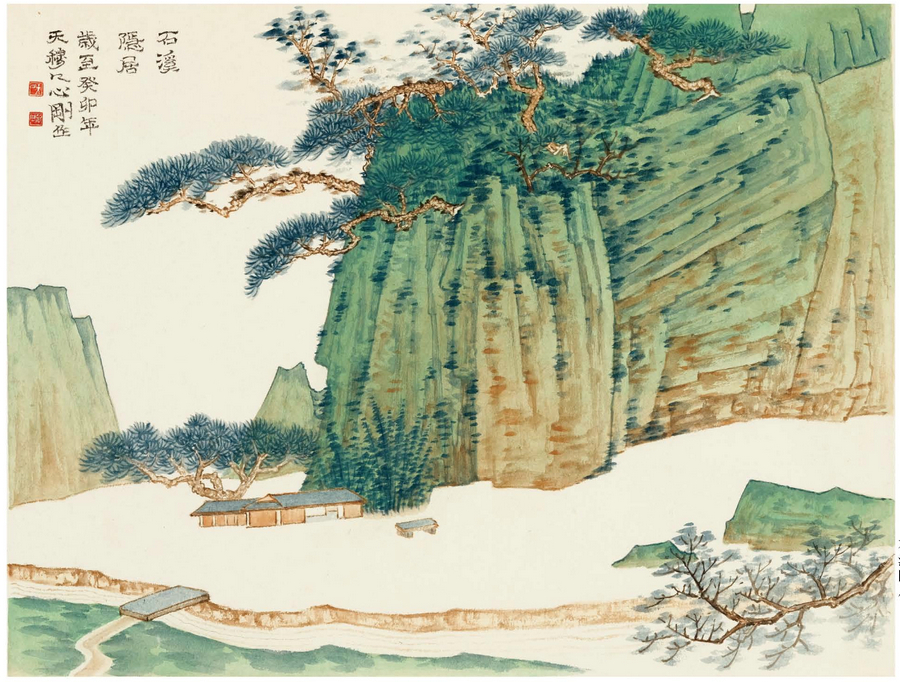
Wang's major works predominantly focus on landscapes, characterized by their vivid details and intricate compositions. His pieces often draw inspiration from the monumental landscapes of the Song Dynasty (960-1279), known for their grand scope and meticulous brushwork. Additionally, Wang incorporates the refined compositions and elegant color palettes of Song court artists, particularly evident in his flower-and-bird paintings. His work not only pays homage to historical traditions but also offers a fresh perspective, revitalizing classic themes with contemporary flair.
Style and Techniques
Wang Xingang's style is heavily influenced by the spirituality and aloofness that defined the paintings of bureaucratic-artists during the Ming and Qing dynasties (1368-1911). His art is distinguished by its delicate balance between tradition and innovation, employing age-old techniques while also exploring new artistic territories. Wang's mastery of ink and wash techniques allows him to create dynamic landscapes that capture the essence of nature and convey a sense of tranquility and depth. His use of color is both subtle and expressive, enhancing the emotional impact of each piece.








